Pain is a scientific issue, an interaction difficulty, and a systems provide all at once. The appropriate training changes how clinicians structure an analysis, titrate medicines, construct nonpharmacologic plans, and supporter for secure method across a group. The incorrect training lose time and cash, and commonly leaves professionals with a certification that does not shift day‑to‑day care. Sorting the signal from the noise is the very first ability worth mastering.
I have instructed in healthcare facility discomfort committees, monitored junior clinicians on acute pain rounds, and helped teams overhaul protocols after unfavorable events. The patterns are consistent. Clinicians want courses that are functional, credentialed, and straightened to their scope. Managers want evidence of competence, not just attendance. Individuals desire prompt relief with less injuries. With that lens, this overview lays out how to choose the discomfort administration training and qualification path that fits your function, your individuals, and your career.
Start with the range you really practice
Before contrasting brochures, clear up the clinical problems you deal with. A surgical ward nurse handling 10 fresh post‑op patients with epidurals requires various deepness than a community physiotherapist treating persistent reduced back pain. A paramedic handling roadside cracks has to ensure choices in minutes, typically with restricted options. Your extent figures out which discomfort administration training course will move the needle.
Nurses operating in acute care take advantage of web content on multimodal analgesia, opioid safety, delirium risk, rise limits, and patient‑controlled analgesia troubleshooting. Pain management training for registered nurses need to teach quick discomfort analysis devices throughout cognitive states, exactly how to coordinate with drug store, and exactly how to record discomfort strategies so the night shift acquires a coherent approach. Great training courses additionally cover nonpharmacologic actions that in fact fit nursing process: warm, ice, splinting, placing, mentoring, and quick relaxation techniques.
Physiotherapists need stronger foundations in pain neuroscience education and learning, graded exposure, lots monitoring, pacing, and restorative alliance. Pain administration programs for physio therapists ought to convert theory into discussions that reframe fear avoidance and catastrophizing without revoking the client's pain. Case job that moves from intense soft‑tissue injuries to complicated local pain disorder teaches nuance: when to press, when to pause, how to collaborate with medical service providers, and exactly how to record progress that insurers and cosmetic surgeons respect.
Prehospital and emergency personnel call for content on emergency discomfort monitoring: rapid analysis, analgesia start times, intranasal and IV routes, ketamine procedures, nitrous oxide, nerve blocks in resource‑constrained settings, and safe transfer of care. Below, the puaeme008 system, usually labelled Provide pain management, fits squarely. The puaeme008 give discomfort administration standard concentrates on timely, evidence‑based alleviation in emergency situation care, consisting of indications, contraindications, and communication with receiving teams.
Physicians relocating into pain facilities or leading inpatient sharp pain services will want a pain monitoring accreditation that stretches right into interventional options, intricate pharmacology, opioid stewardship frameworks, and monitoring of co‑morbid mental wellness conditions. Anticipate deeper dives into neuropathic representatives, tapering strategies, aberrant actions surveillance, and the logistics of multidisciplinary care.
One scope, one collection of capabilities. Build from there.
Decoding the alphabet soup of certifications and certifications
The language about qualifications is confusing. Suppliers ask whether a pain administration certification suffices, or whether they need a pain monitoring certification program with an exam and post‑nominals. The difference issues, mainly for transportability and company recognition.
A certificate program in pain management normally indicates a specified educational program with effective conclusion, commonly assessed with quizzes, case studies, or functional demonstrations. These courses can be brief or extended and typically release a discomfort administration certificate of conclusion. They work well for targeted upskilling and proceeding expert development credits.
A discomfort administration accreditation suggests external recognition against a requirement, typically with eligibility criteria, a proctored test, and recertification requirements. These carry more weight in hiring and in demonstrating skills to regulatory authorities. They are much longer, set you back even more, and require a time dedication that ought to match your job plans.
Then there are unit‑based expertises, like puaeme008 Supply pain administration, which exist within professional training structures. They confirm that a student can do a specific role‑relevant feature to a standard. For paramedics, initially -responders, and some registered nurses in emergency situation contexts, this device may be needed by employers or regulators, and it is a sensible means to record capability for emergency situation pain management.
Short programs in pain monitoring occupy the area in between. Believe 2 to eight hours on a concentrated subject: opioid conversions, ketamine mixtures, local blocks in the ED, or an upgrade on persistent pain systems. They develop a specific ability and slot quickly right into a roster.
The option is not binary. Many medical professionals string with each other short training courses to satisfy prompt demands while preparing for a larger pain monitoring accreditation later. The key is piling these in such a way that develops a meaningful, demonstrable ability set.
What makes a training course worth your time
After sitting through even more discomfort lectures than I can count, I have a blunt list. If a service provider can not fulfill these standards, move along.
- Alignment with your license and local practice standards. Discomfort monitoring training for nurses should map to nursing scope, not simply repackage physician lectures. Physical rehabilitation courses need to verbalize how to apply approaches within a rehab plan. Emergency discomfort web content should cite procedures that match your system. Assessment that checks choices, not trivia. Case‑based inquiries, substitute handovers, analgesic titration exercises, and opioid conversion issues reflect genuine practice. Faculty with existing professional roles. Instructors who write protocols, run rounds, or see patients keep material based. Academic knowledge issues, yet lived logistics matter more. Clear post‑course sustains. Quick‑reference devices, application graphes, patient education handouts, and acceleration algorithms help you apply modifications in a busy shift. Measurable end results. The most effective companies release conclusion rates, student complete satisfaction, and habits change information, also if basic, like pre and post‑course confidence or observed adherence to new protocols.
A closer check out unit‑based emergency situation training: puaeme008 Supply discomfort management
For teams in emergency situation and prehospital treatment, puaeme008 Give pain monitoring is a sensible support. It is made to ensure that clinicians can analyze pain swiftly, select an ideal analgesic strategy given the atmosphere, display for unfavorable impacts, and turn over treatment successfully. When done well, it feels like a collection of decision drills with guardrails.
The value of this device is clarity on scope. For example, if intranasal fentanyl is allowed in your service, the system ought to cover application by weight bands, beginning and peak times, surveillance, turnaround protocols, and paperwork patterns. If ketamine is readily available, anticipate web content on dissociation versus sedation, high blood pressure considerations, and the choreography of administering it in a limited space.
I have seen trainees relocate from waiting to deal with to delivering analgesia in under five mins after training with puaeme008 structures. That rate matters when a client is trapped in an automobile, or when the ED is stacked and triage needs to focus on safely. Programs that examine this unit must simulate time pressure, sound, incomplete backgrounds, and the interaction difficulties of handover.
When comparing providers that market puaeme008 offer pain administration, ask whether they customize scenarios to your formulary and handover themes. A generic training course might satisfy the technological system however still leave your team messing up with your real tools and forms.
Building proficiency across disciplines
Good discomfort care is hardly ever a solo act. On a medical floor, a nurse flags uncontrolled discomfort, the pharmacist fine‑tunes adjuvants and conversions, the physiotherapist stabilizes mobilization with tolerability, and the physician updates the strategy. Programs that recognize this interdependence create better results.
Cross disciplinary components hone collaboration. Nurses discover what information assists a physiotherapist choose when to set in motion. Physio therapists practice documenting discomfort progression that sustains medical tapering choices. Physicians discover exactly how to create orders that make sense at 3 a.m. when a covering medical professional has to show restricted context. When each function recognizes the others' restrictions, people obtain smoother care.
Multidisciplinary discomfort administration training courses additionally unload the thorny problems. How do you stabilize a client's stated discomfort of 10 out of 10 with vital signs that suggest over‑sedation danger? When does relentless discomfort show uncontrolled nerve injury versus central sensitization? Exactly how do you taper an opioid without taking apart the healing partnership? Training courses that bring case panels together, as opposed to split by profession, develop shared psychological models.
Core material columns to look for
No single pain monitoring certification can cover everything, however strong programs gather around consistent pillars.
Assessment. Training needs to go beyond numeric rankings to function‑focused actions. Can the patient cough effectively after abdominal surgical treatment? Can they endure weight bearing for 30 seconds? For cognitively impaired patients, which tools are confirmed and functional in your setting?
Pharmacology. Anticipate deepness where it counts. Opioids need more than application tables: equianalgesic conversions, insufficient cross‑tolerance, renally and hepatically safe choices, negative effects avoidance, and reversal. Non‑opioids are entitled to equal focus, from acetaminophen dosing ceilings to NSAID kidney risks. Adjuvants like gabapentinoids and SNRIs require a clear proof recap, not simply enthusiastic mentions.
Nonpharmacologic approaches. Ice, warm, TENS, cognitive methods, relaxation, splinting, and positioning job when used thoughtfully. Training courses must define signs, contraindications, and configuration times. For physio therapists, discomfort neuroscience education and learning with functional scripts prevents the sterile lecture feeling and offers medical professionals language to attempt the next day.
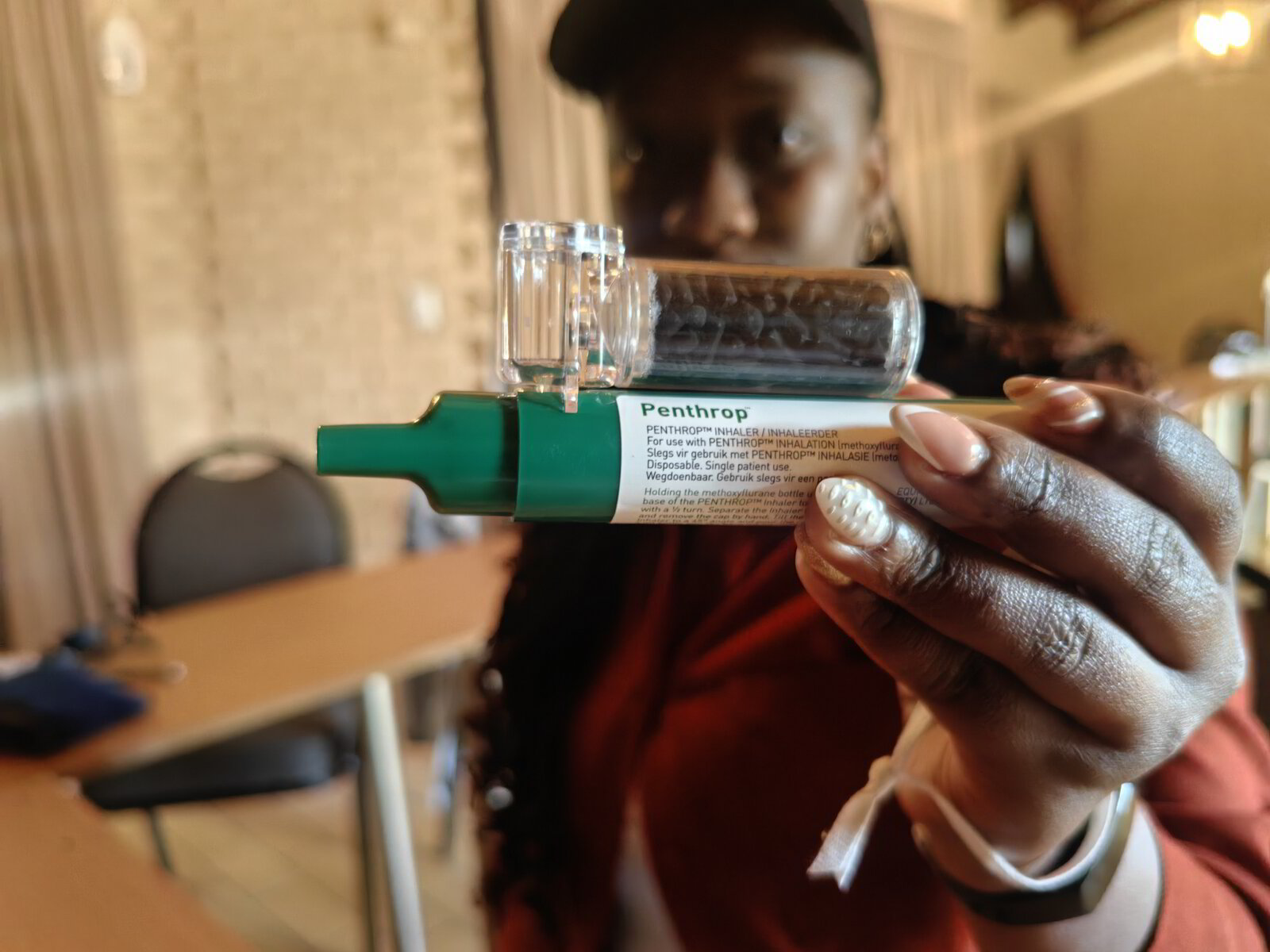
Procedural and interventional options. Not every clinician will do blocks or shots, but comprehending signs and threats assists with reference and individual education and learning. Emergency teams take advantage of familiarity with fascia iliaca blocks, hematoma blocks for Colles cracks, and the logistics of ultrasound guidance.
Safety and stewardship. Misuse and breathing anxiety continue to be real risks. The very best programs integrate opioid stewardship with empathy. That consists of risk stratification, paperwork standards, pee medication screening concepts, and tamper‑resistant prescribing methods, without slipping into stigma.
Communication. Pain is lived and subjective. Training must teach phrases that develop alliance, set expectations, and browse disagreement. It ought to cover common decision‑making, educated authorization for analgesic plans, and de‑escalation when conflict arises.
Systems and handover. Pain plans must make it through change modifications. Search for content on standard documentation, handover devices, and paths your service uses. Emergency groups require organized puaeme008 pain management strategies interaction design templates that dependably consist of pain trajectory, anesthetic given, and response.
Choosing in between brief programs and extended programs
Short courses hurting management are perfect for quick success. A two‑hour opioid conversion workshop can stop dosing errors tomorrow. A three‑hour emergency discomfort update can tighten your group's response to cracks and burns prior to the next change. For brand-new graduates, piled brief training courses build self-confidence fast.
Extended programs, like a thorough pain monitoring accreditation course that runs over weeks or months, deepen judgment. They give you time to try new skills, mirror, fail securely, and ask much better inquiries. They come with advisors, instance conversations, and analyses that push you beyond mathematical thinking. If you are relocating right into an expert duty or leading change in your system, the longer arc pays off.
The trade‑off is time and cost. If your manager will certainly fund one major program this year, go for the program that many aligns with your advancing role. Fill the smaller voids with targeted modules as needed.
Recognizing the red flags
Not every pain management program deserves your interest. Some patterns anticipate dissatisfaction. If the syllabus leans heavily on generic pathophysiology with little application, pass. If a provider guarantees a discomfort administration certificate in a solitary mid-day without any evaluation, expect slim knowing and little integrity. If a training course prevents questionable topics entirely, like tapering or opioid‑induced hyperalgesia, it is most likely not current.
Watch the language. Programs that stigmatize people with persistent pain or conflate dependence with dependency do injury. So do training courses that offer nonpharmacologic strategies as enchanting repairs without limits. A legitimate carrier recognizes uncertainty and shows decision structures that hold under pressure.
Implementation beats inspiration
I once collaborated with a surgical ward that sent thirty registered nurses to a trustworthy discomfort management training for nurses. The assessments glowed, however two months later, occurrence records revealed the very same problems: variable evaluation, late acknowledgment of over‑sedation, and inconsistent postoperative nausea or vomiting management. The trouble was not the program. It was implementation.
The repair was dull and efficient. The device picked 3 changes: standardized discomfort and sedation scoring each shift, a pocket card with opioid equianalgesic conversions and incomplete cross‑tolerance reminders, and a five‑minute huddle at 2 p.m. to address outlier pain situations. We tied those to a refresher micro‑module and an instructor on each shift for two weeks. Pain scores stabilized, naloxone use dropped, and patient talk about communication improved. Training just sticks when it lands inside a structure.
When you assess discomfort monitoring training programs, ask what application supports they supply. Do they offer lists, pocket overviews, client education sheets, or EHR order established recommendations? Can they run a brief digital booster a month later? Do they assist you gauge change?
Special factors to consider for nurses
Nurses carry the day‑to‑day tons of discomfort care. A strong pain administration certification program for nurses furnishes them to titrate securely, intensify early, and connect plainly. It ought to consist of sedation scales, delirium acknowledgment, PCA troubleshooting, epidural safety and security checks, and documents that informs a meaningful tale. Cross‑covering homeowners count on nursing notes to choose at night. Instructing registered nurses just how to mount a pain issue in a manner that activates appropriate action is a high‑value skill.
Pain monitoring training for registered nurses need to additionally challenge the social truths. How do you support for ample analgesia when a culture alters conventional? Just how do you stabilize plan adherence with person centeredness? Training courses that include role‑play and charting examples prepare registered nurses for the actual tension in a shift.
Special factors to consider for physiotherapists
For physiotherapists, pain monitoring programs that overpromise on single strategies do not hold up. Clients with persistent discomfort improve with graded exposure, pacing, and regular messages across providers. The better programs train therapists to set useful objectives connected to valued tasks, not just discomfort reduction. They instructor details, brief pain neuroscience descriptions that minimize anxiety without feeling dismissive, and they stress progress tracking with concrete markers like sit‑to‑stand counts or walking time.
Coordination with medical groups matters. A specialist that can describe to a specialist why a short-lived analgesic rise will unlock motion can alter discharge timelines. Training courses that exercise those discussions prepare physio therapists to influence plans, not just execute them.
How employers can choose wisely
Managers often need to select a supplier for entire teams. Try to find openness on curriculum, teacher history, and assessment style. Ask for an example component. Compare the pacing to your staffing fact. For emergency situation services thinking about puaeme008 Offer discomfort management, run a pilot with a part of crews, procedure time‑to‑analgesia and documents completeness prior to and after, and just then scale.

Consider building a pathway that layers finding out in time. New personnel complete a core pain monitoring course in the very first 3 months. 6 months in, they go to an advanced module tailored to your person mix. Every year, they rejuvenate with a focused brief course. Connect conclusion to interior recognition or role privileges, not as a punishment, but as a path.
Finally, allocate backfill. Absolutely nothing weakens training greater than distracted personnel checking their patient boards. Send out individuals to find out, not to juggle.
Cost, time, and ROI
Prices differ commonly. Short online components can range from moderate charges to mid‑range if bundled with CE credit scores. Prolonged discomfort management accreditation programs may set you back right into the low thousands, depending upon provider, size, and accreditation. Travel adds cost if in‑person.
Calculate worth in avoided mistakes, faster mobilization, fewer unexpected admissions or readmissions as a result of uncontrolled discomfort, and improved patient experience scores. A single stopped overdose or a day shorter length of remain can cover a friend's training. Track metrics that straighten with your goals, then choose whether to restore with the exact same provider.
A functional selection map
When you are ready to pick, follow a straightforward path.
- Define your main use instance and range. Acute post‑op floor, ED, prehospital, outpatient relentless pain, or rehab. Choose the right tier. Short training course for a targeted gap, certificate course for wide upskilling, accreditation for duty growth or leadership. Validate significance. Examine that drug formularies, procedures, and scope examples match your setting. For emergency situation solutions, verify puaeme008 alignment if it is required. Demand applied analysis. Case‑based examinations, simulations, and sensible check out slide memorization. Plan application. Secure tools, champs, and a tiny dimension strategy prior to the initial session.
Avoiding typical missteps
One duplicated mistake is chasing after eminence as opposed to fit. A high‑profile pain monitoring accreditation with little applicability to your ward causes irritation. One more is neglecting pre‑work. Learners who review baseline principles prior to the online session gain much more. Companies who provide pre‑reading, especially quick summaries, set you up well.
A third misstep is falling down nonpharmacologic treatment into a closing slide. An active physiotherapist can educate a five‑minute pacing discussion that transforms a week of pain. A nurse can readjust placing and splinting that conserves a dose. Make those pieces tangible, not aspirational.
Finally, beware incorrect binaries. You can promote both for access to analgesia and for careful stewardship. You can respect a client's report and still titrate meticulously. Training needs to sharpen both instincts.
What mastery looks like
When training works, technique feels calmer. Evaluations obtain faster and much more nuanced. Orders are clear, and handovers anticipate problems. Employee speak a common language. A physiotherapist puaeme008 states, "She can endure 3 minutes of weight bearing with a pain surge that settles in 90 secs," and the nurse instantly understands whether to pre‑medicate prior to the following session. An ED nurse provides intranasal fentanyl within minutes of triage for a displaced forearm crack, papers response, and logs the transfer to the procedure area. A jr physician changes oxycodone to hydromorphone with a suitable decrease for incomplete cross‑tolerance and includes laxatives without being asked.
Patients discover. They feel believed, prepared, and much less worried. That is the actual examination of your choice.
Final assistance for certain roles
If you are a nurse on a surgical ward with variable accessibility to pain solutions, spend first in a robust discomfort administration program created for nursing technique, one that includes sedation racking up and PCA capability. Include a short program on opioid conversions. Seek mentorship for 2 weeks after.
If you are a physio therapist seeing a mix of acute and persistent pain, seek discomfort monitoring training courses for physio therapists that teach graded exposure with case work and sensible scripts. Supplement with a brief component on pharmacology sufficient to talk with complete confidence with clinical colleagues.
If you lead an emergency situation service, focus on puaeme008 Offer discomfort management or equivalent, embedded with your formulary and methods. Train with situations that imitate your constraints. Step time‑to‑analgesia and documents quality.
If you intend to specialize in discomfort medicine, commit to a pain administration qualification with strenuous analysis and mentorship. Expect to spend months, not hours. Usage brief training courses to connect instant professional voids along the way.
In every situation, court service providers by exactly how well they prepare you to act tomorrow, under your restrictions, for your individuals. Pain administration training is not about collecting certificates. It is about transforming the five minutes that matter most for a person in pain.